
 FR
FR

Two Traditions, Two Stories
They are sometimes confused. Yet, local soap and Marseille soap do not come from the same tradition—nor from the same region. Behind these two names lie two realities shaped by climate, available resources, and lifestyle.
Local Soap (“Savon du pays”) in Quebec
In Quebec, local soap was historically made on the farm. It was produced from animal fat, often tallow or lard, mixed with homemade ash water. It was made without perfume or anything superfluous. It was a utilitarian soap, designed for laundry and daily cleaning. This production was part of the daily life of rural families. They used locally available resources, without waste. With livestock farming being widespread, animal fat became a natural and logical raw material.
Marseille Soap
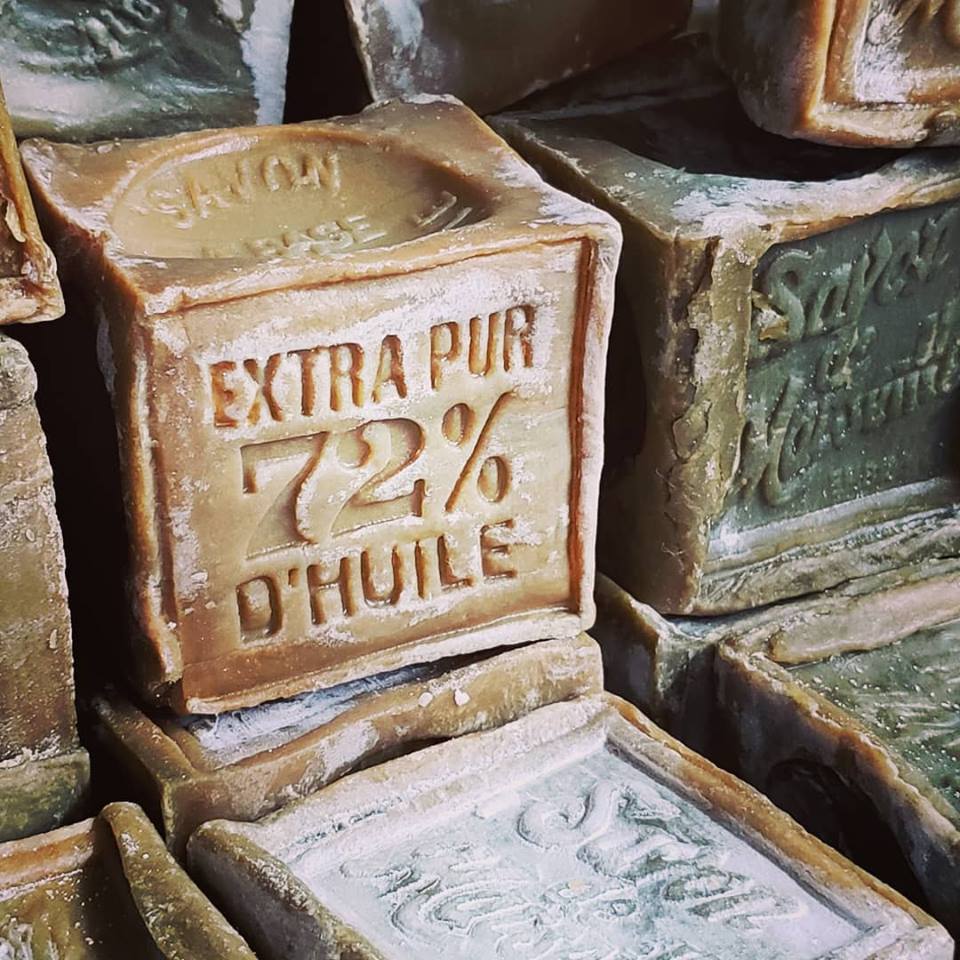
On the other side of the Atlantic, in Marseille, the landscape was quite different. Provence was characterized by olive cultivation. Olive oil was abundant there, at the heart of the local economy. It was therefore natural that soap would be made from vegetable oils. Soap making is documented there as early as the Middle Ages. In 1688, an edict promulgated under Jean-Baptiste Colbert already regulated its production, requiring the exclusive use of vegetable oils. Marseille soap thus became a recognized product, made in soap factories using a traditional cauldron process. Some traditional soap makers, such as Le Serail and Marius Fabre, still perpetuate this method today.
Why did we choose Marseille soap?
At Au Savon de Marseille, we chose to highlight traditional Marseille soap for its vegetable composition, its simplicity, and its historical heritage. This in no way diminishes the heritage value of soap from Quebec—but they are two different products, from distinct cultural contexts. Intrigued by the history of Marseille soap? Continue reading through our other articles and consult our product sheets for Marseille soaps.