
 FR
FR

Your soap doesn’t produce much foam and you’re wondering if it really cleans? You’re not alone. Many people associate lots of lather with better cleaning performance. Yet, abundant foam does not necessarily mean better cleaning.
Why Do We Associate Foam with Cleanliness?
Foam is highly visible and creates a pleasant sensation during use that we often associate with cleanliness. In many everyday products, such as body washes, shampoos and cleaning products, abundant lather is part of the experience people have come to expect.
Does Foam Really Clean?
The amount of foam does not determine how effectively a product cleans. It is primarily the soap molecules that help loosen oils, grease and impurities so they can be removed when rinsing.
Think of foam a little like whipped cream on a dessert: it’s part of the experience, but it’s not what does the cleaning.
Why Do Some Soaps Foam More Than Others?
Several factors can affect the amount of foam a soap produces:
- The soap’s composition
- The oils or fats used
- The possible presence of foaming agents
- The amount of water
- How the soap is used
- Water hardness: water that is rich in minerals, particularly calcium and magnesium, can affect foam formation.
Why Does Marseille Soap Sometimes Produce Little Foam?
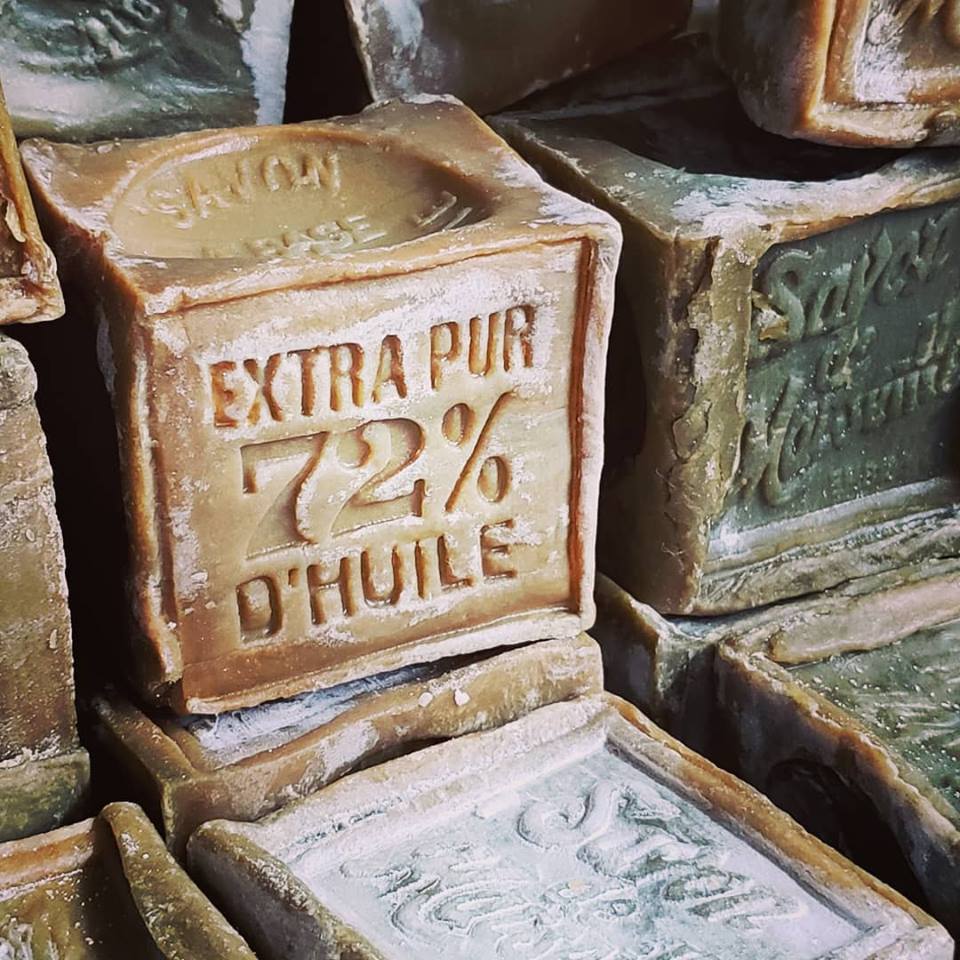
Traditional Marseille soap is known for its simple composition, based on four ingredients:
- Vegetable oils (72% minimum)
- Sodium hydroxide
- Water
- Sea salt
Depending on the water quality and how the soap is used, its foam may sometimes be quite light. This does not mean that it is less effective at cleaning.
What About Aleppo Soap?
Aleppo soap can also produce a different type of foam than what we are used to with some modern products. Its lather may be light and creamy rather than abundant.
Its composition, particularly the proportions of olive oil and laurel berry oil, contributes to its characteristics, including the type of lather it produces. Again, this does not make it any less effective.
Why Do Some Products Produce So Much Foam?
In some cleansing products, surfactants are used for their foaming and cleansing properties. Abundant foam can also make a product more pleasant to use and create an immediate impression of effectiveness.
This doesn’t mean that a product that produces lots of foam is bad, any more than a product that produces little foam is necessarily better. Foam simply isn’t enough on its own to determine how effective a product is.
How Can You Tell if a Soap Is Really Effective?
After using your soap, ask yourself a few simple questions:
- Were the dirt and impurities removed?
- Does the product rinse off easily?
- Is the soap suitable for its intended use?
- Is the skin or surface clean after rinsing?
- For a soap intended for the skin, does the skin feel comfortable after rinsing?
In Summary
A soap doesn’t need to produce lots of foam to clean effectively.
So the next time your Marseille soap or Aleppo soap produces little foam, don’t worry: light lather does not mean that it is less effective.
The amount of foam depends on several factors, including the soap’s composition, how it is used and the quality of the water. To assess how effective a soap really is, it’s better to look beyond the foam and focus on the results after cleaning and rinsing.
Because when it comes to soap, more foam doesn’t necessarily mean cleaner.